How Edibles for Stress Relief Fit Into a Balanced Wellness Routine
Understanding Stress and the Role of Food
Stress is one of those things that creeps up on you. You might not notice it until your shoulders are tight, your sleep is off, or you are reaching for another cup of coffee just to get through the afternoon. Over the years, I have tried a lot of different approaches to manage that feeling. Some worked for a while, others did not. What I keep coming back to is the idea that what we eat can influence how we feel, not just physically but mentally as well. That is where the concept of edibles for stress relief comes in.
I am not talking about just any snack. I mean food that has been thoughtfully prepared with ingredients known to support calm. When you combine that with the right plant compounds, the effect can be noticeable. I have seen this firsthand with friends who were skeptical at first. One friend, after a long week, tried a small piece of chocolate that was cannabis-infused. She said it was the first time in months she felt her mind slow down without feeling foggy. That is the kind of experience that makes you pay attention.
The Science Behind the Calm
To understand why these products work, it helps to know a little about the endocannabinoid system. This is a network of receptors in our body that helps regulate mood, appetite, sleep, and stress response. The compounds in cannabis, like THC and CBD, interact with this system. THC is the one most associated with the psychoactive effect, but at low doses it can promote relaxation without overwhelming you. CBD, on the other hand, does not get you high but it does influence how your body handles anxiety and inflammation.
There is also a fascinating compound called anandamide. It is sometimes called the bliss molecule because it binds to the same receptors as THC and produces feelings of happiness. Our body naturally produces anandamide, but its breakdown is slowed by certain cannabinoids. That means a small dose of THC can help your own anandamide stick around longer. The result is a gentle lift in mood that feels natural, not forced.
Beyond that, there is research into neurogenesis, the process of growing new neurons. Chronic stress can actually shrink parts of the brain, like the hippocampus, which is involved in memory and emotion. Some studies suggest that CBD may support neurogenesis, helping the brain recover from the wear and tear of daily stress. That is a long game, but it adds another layer to why edibles for stress relief can be more than just a temporary fix.
Choosing Your Delivery: Gummies, Chocolate, and More
One of the things I appreciate about the current market is the variety. You are not stuck with one option. If you prefer something quick and portioned, gummies are a solid choice. They are easy to carry, they taste good, and you know exactly how much you are taking. I have a friend who keeps a small bag of gummies in her desk drawer for the afternoon slump. She takes half a gummy and says it helps her reset without making her drowsy.
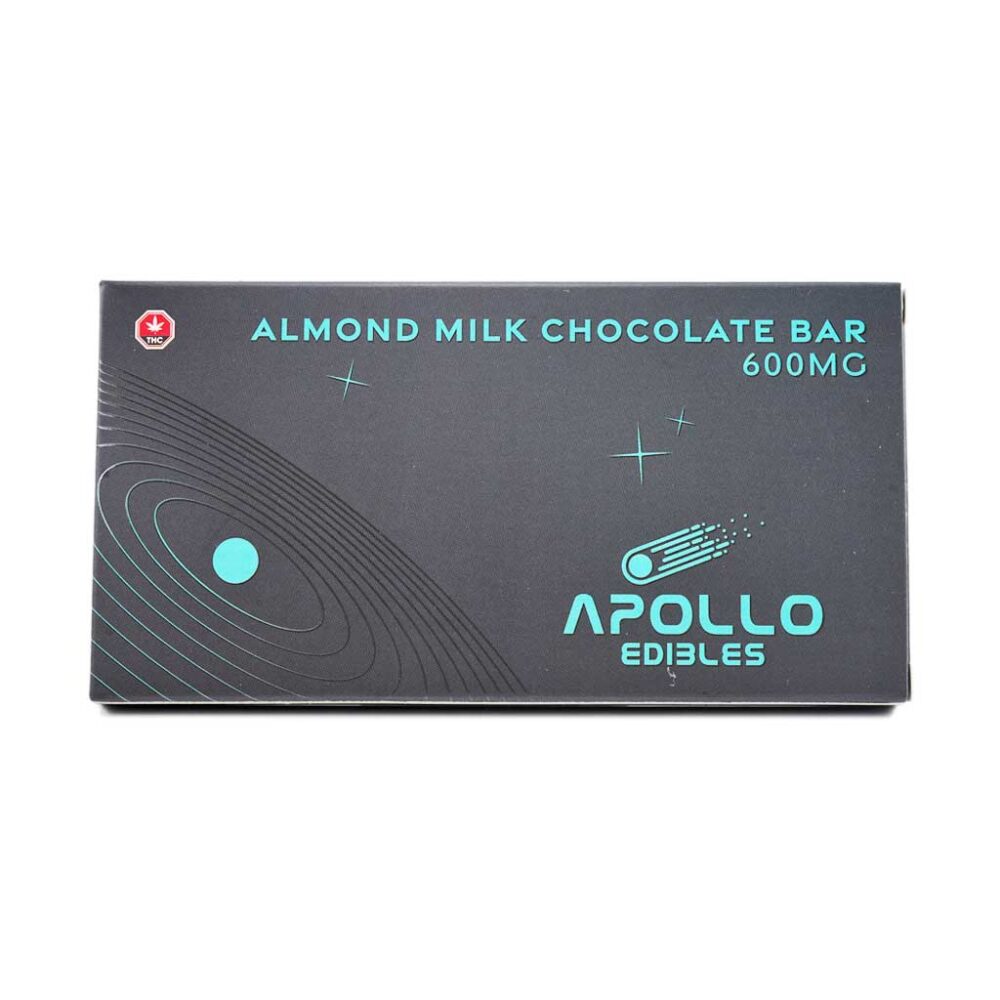
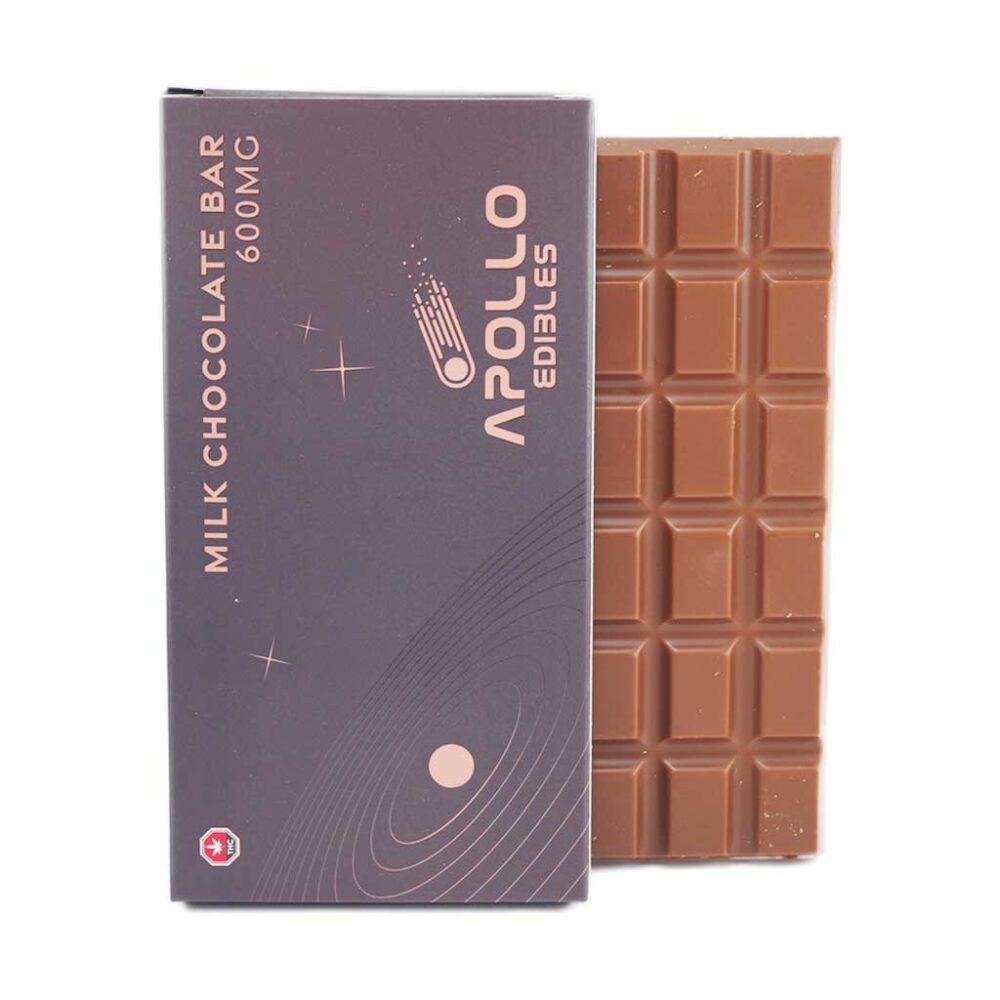
Then there is chocolate. There is something ritualistic about breaking off a piece of chocolate at the end of the day. It feels like a treat, not a medicine. I have tried a dark chocolate bar that was cannabis-infused, and the bitterness paired well with the earthy notes from the terpenes. Terpenes like myrcene and beta-caryophyllene are aromatic compounds found in cannabis that contribute to the relaxing effect. Myrcene is known for its sedative properties, while beta-caryophyllene can help with inflammation and pain. When you eat chocolate infused with these, you are getting both flavor and function.
Baked goods are another route. A friend of mine swears by a small slice of cannabis-infused banana bread before bed. She says it helps her fall asleep faster and stay asleep longer. Dried fruit is also popular, especially for people who want something chewy and portable. Mango or strawberry pieces infused with cannabinoids can be a nice alternative if you are not into sweets.
Pairing Plant Power with Herbal Allies
What makes this space interesting is how cannabis compounds work alongside other herbs. Chamomile and lavender are well known for their calming effects. Chamomile contains apigenin, a flavonoid that binds to GABA receptors in the brain, promoting relaxation. Lavender, through its essential oils, can reduce anxiety and improve sleep quality. Some products combine these with cannabis to create a more layered effect.
Ashwagandha is another herb I have come across in this context. It is an adaptogen, meaning it helps the body adapt to stress. In some edibles, ashwagandha is added to support the adrenal system and lower cortisol levels. I tried a chocolate that had both ashwagandha and a small amount of THC. The combination was subtle but distinct. I felt less reactive to things that would normally bother me. It was not a dramatic shift, just a quiet steadiness.
Microdosing: The Gentle Approach
Microdosing is a term that originally came from psychedelics, but it applies here too. Taking a very small amount of THC, say 2 to 5 milligrams, can produce a noticeable change in mood without any intoxication. You are not trying to get high. You are trying to take the edge off. I have found that microdosing with edibles for stress relief is a practical way to manage anxiety during the workday or before a social event. The key is starting low and waiting at least two hours before taking more. Edibles take longer to kick in than smoking, but the effect lasts longer and feels more even.
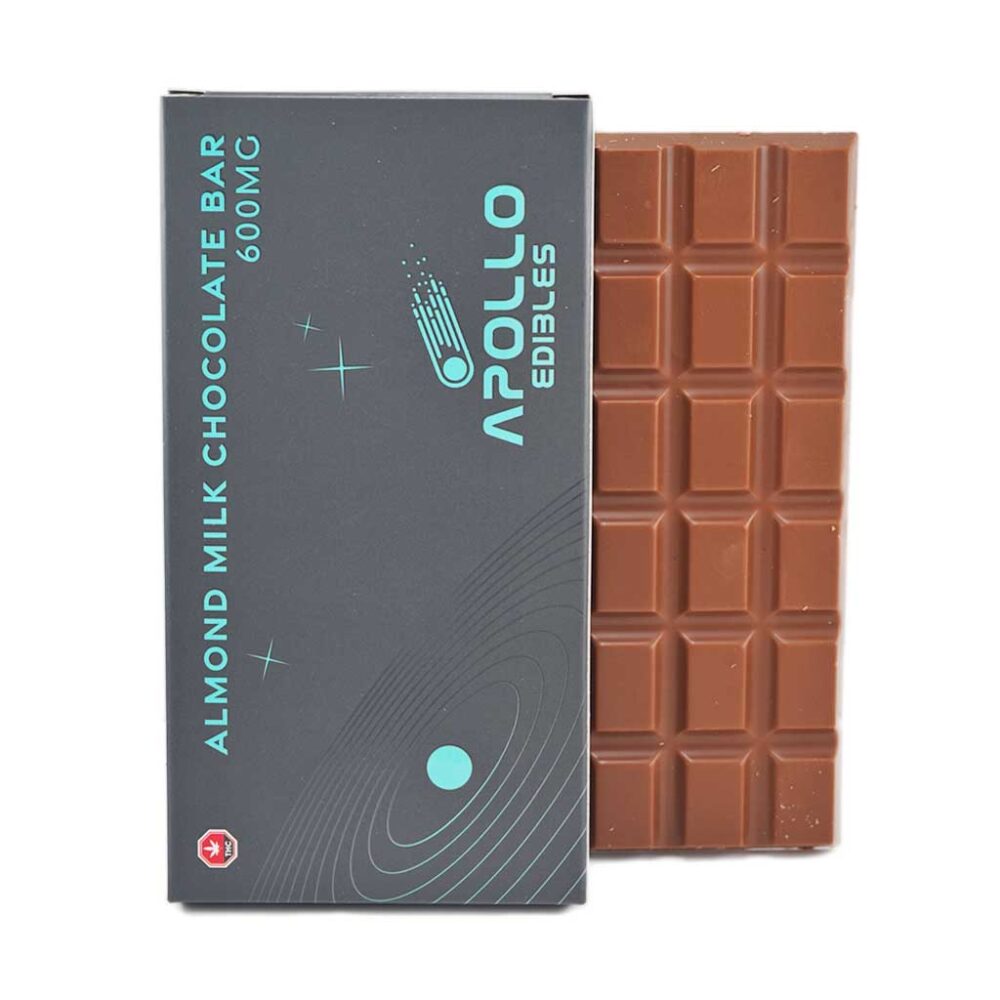
One thing to watch out for is overdoing it. Too much THC can actually increase anxiety, especially if you are not used to it. That is why products from a reputable source like Kush Station often come with clear dosage information. They label their gummies and chocolates with exact milligram counts so you can find your sweet spot. I always recommend starting with a quarter of a serving if you are new.
Real-World Scenarios and Trade-offs
I want to be honest about the trade-offs. Edibles are not a cure-all. If your stress comes from a genuinely difficult situation, no amount of chocolate or gummies will fix that. But they can help you create a small buffer, a moment of calm that lets you think more clearly. I have used them before bed when my mind is racing. A small piece of baked goods with a blend of CBD and myrcene helps me wind down. I have also used them during long flights when the noise and confined space start to get to me.
Another trade-off is the onset time. Because edibles have to be digested, they can take 30 minutes to two hours to work. That makes them less useful for acute panic. For that, something faster-acting might be better. But for a slow, sustained sense of calm, edibles are hard to beat. They also bypass the lungs, which is a plus if you are concerned about respiratory health.
There is also the question of sleep. Some people worry that THC disrupts REM sleep. That can be true at higher doses. But at low doses, especially when combined with CBD and lavender, the effect can be the opposite. Products like the Sleepytime line from some brands are formulated with sleep in mind, using a balance of cannabinoids and natural sedatives. I have tried a version of that and found it helped me fall asleep faster without the grogginess the next morning.
Strain Matters: Cannabis Sativa L. and Beyond
The type of cannabis used matters. Cannabis Sativa L. is the Latin name for the species, but within that, different strains have different chemical profiles. Some are high in myrcene and low in other terpenes, making them more sedating. Others are higher in beta-caryophyllene, which is more anti-inflammatory. When you buy edibles from a shop that knows its products, like Kush Station, you can often see which strain was used. That helps you choose based on your need. If you want energy and focus, you might look for something with more CBD and less THC. If you want deep relaxation, a strain high in myrcene is a better bet.
I have also seen products that list the terpene profile on the package. That level of detail is helpful because it lets you track what works for you. Over time, you learn that a certain ratio of THC to CBD, combined with chamomile or ashwagandha, gives you the best result. It becomes a personalized tool rather than a generic product.
Practical Tips for Getting Started
If you are curious about trying edibles for stress relief, here are a few things I have learned from my own experience and from talking to others:
- Start with a low dose. 2.5 to 5 mg of THC is a good starting point. You can always take more, but you cannot take less once it is in your system.
- Be patient. Wait at least 90 minutes before deciding you need more. The effects can be subtle at first.
- Choose a product that fits your routine. Gummies are easy for on the go. Chocolate or baked goods feel more like a ritual at home.
- Check the ingredients. Look for additional calming herbs like lavender, chamomile, or ashwagandha if you want a broader effect.
- Keep a journal. Note what you took, how much, and how you felt. This helps you refine your approach over time.
Final Thoughts on Building a Stress Relief Practice
Stress is not going anywhere. But how we meet it can change. For me, the combination of good food, thoughtful dosing, and a little bit of plant science has made a real difference. Whether it is a piece of cannabis-infused chocolate after a long day or a gummy before a difficult conversation, these products have a place in a balanced routine. They are not a replacement for exercise, therapy, or sleep. They are an addition, a tool that works with your body rather than against it.
If you decide to explore this, take your time. Find a source you trust. Read the labels. Listen to your body. And remember that the goal is not to escape stress but to meet it with a little more ease. That is what I have found in my own journey, and it is what keeps me coming back to the idea of food as medicine, slow and steady.